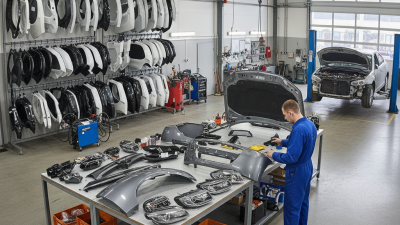
Choosing the right auto spares supplier in 2026 requires more than comparing catalog prices. Global buyers must examine product quality, fitment accuracy, delivery reliability, warranty terms, and technical support. A low quotation can become expensive when packaging fails, part numbers conflict, or replacement claims remain unresolved.
Bill Hanvey, former president and CEO of the Auto Care Association, has said, “The aftermarket is a data-driven industry.” That observation matters. Reliable suppliers should provide current vehicle applications, traceable batch information, clear product photographs, and consistent cross-reference data. They should also explain how they manage recalls, counterfeit risks, and changing vehicle technologies. Practical evidence matters more than attractive promises.
This guide reviews leading auto spares suppliers through a buyer-focused lens. It considers manufacturing experience, quality systems, export capability, inventory depth, and communication during real orders. Certifications help, but they do not prove every shipment is perfect. Buyers still need samples, factory audits, independent testing, and written specifications. Small details matter. A damaged carton can delay a workshop for days.
The market is not simple.
Supplier rankings can change quickly because ownership, capacity, and freight conditions change. Some companies appear highly competitive online but respond slowly after payment. Others have limited marketing but deliver dependable parts repeatedly. That difference deserves attention. This introduction may not identify one universal winner, because regional vehicle fleets and risk tolerance vary. Instead, it establishes a practical framework for comparing 2026’s top suppliers with greater confidence, caution, and accountability.

Global buyers are entering a more demanding auto spares market in 2026. Suppliers now compete on consistency, documentation, delivery control, and technical support. Price still matters, but it rarely explains the full purchasing cost. A low-priced sensor can create fitting delays, returns, and workshop complaints. That risk is often missed.
Reliable suppliers provide clear part specifications, batch records, inspection reports, and packaging details. They should explain material grades, dimensional tolerances, and testing methods without vague claims. Buyers should also check production capacity during peak seasons. A supplier may perform well with one trial order, then struggle with larger volumes. Ask for evidence, not promises.
Regional supply networks are becoming more flexible. Many exporters combine local inventory with overseas production. This model can shorten delivery times, but quality control may become uneven. Clear approval procedures are essential. Sample testing helps.
Digital communication is useful, but it cannot replace physical inspection. Photos may hide surface defects, weak connectors, or poor labeling. Independent testing is sensible for safety-related components. However, smaller suppliers may lack polished reports while still producing acceptable parts. That is where judgment becomes difficult. No scorecard is perfect. Buyers should review complaint handling, replacement policies, and traceability before signing long-term agreements. A careful supplier relationship grows through repeated orders, transparent corrections, and measurable performance.
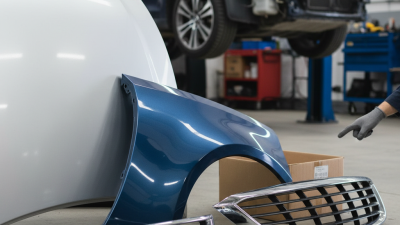
2026 Top Auto Spares Suppliers for Global Buyers
Key Product Categories Offered by Leading Auto Spares Suppliers
Global buyers now expect wider coverage than basic engine parts. The most requested categories include braking systems, suspension components, filters, belts, cooling parts, and electrical modules. S&P Global Mobility reported that the average U.S. vehicle age reached 12.6 years in 2024. Older vehicles create steady demand for replacement and maintenance parts. Meanwhile, the IEA recorded more than 14 million electric car sales worldwide in 2023. This supports growing demand for battery service parts, charging components, thermal systems, and EV diagnostics. Product depth matters, but catalog accuracy matters more.
Tips: Ask suppliers for vehicle-fitment data, material specifications, warranty terms, and batch traceability. Request sample packaging before large orders. A clean label can still hide poor compatibility.
Experienced buyers should compare categories by failure risk, not only unit price. Brake pads need friction and temperature data. Suspension parts require load testing and corrosion checks. Electronic sensors need stable software compatibility and connector details. The 2024 MEMA Aftermarket Suppliers forecast also points to continued aftermarket growth as vehicles remain in service longer. Still, forecasts can miss regional repair habits and import costs. That is worth questioning. A reliable supplier should provide inspection records, updated catalogs, and responsive technical support. Suppliers offering both conventional and electric-vehicle categories may reduce sourcing gaps, but their claims need independent verification.
| Product Category | Representative Spare Parts | Primary Vehicle Function | Common Materials | Typical Quality or Compliance References | Main Global Buyer Groups | Typical Supply Format |
|---|---|---|---|---|---|---|
| Engine Filtration | Oil filters, air filters, fuel filters, cabin air filters | Removes contaminants from engine oil, intake air, fuel and passenger-compartment air | Cellulose or synthetic filter media, steel or polymer housings, rubber seals | Dimensional fit, filtration efficiency, pressure resistance, leak testing and ISO 9001-based quality systems | Parts distributors, repair workshops, fleet maintenance operators and retail channels | Individual cartons, bulk cartons and private-label packaging |
| Brake System Components | Brake pads, brake shoes, discs, drums, calipers, wheel cylinders and hoses | Converts vehicle motion into heat through friction and enables controlled stopping | Steel, cast iron, friction compounds, elastomers and copper or coated steel fittings | ECE R90 where applicable, friction performance, wear, noise, corrosion and pressure testing | Safety-focused distributors, workshops, commercial-fleet operators and vehicle service chains | Axle-set kits, component cartons, palletized shipments and mixed-SKU orders |
| Suspension and Steering | Shock absorbers, struts, control arms, ball joints, tie-rod ends and stabilizer links | Maintains wheel contact, ride control, steering accuracy and vehicle stability | Forged or stamped steel, aluminum, rubber, thermoplastic elastomers and hardened steel | Load, fatigue, corrosion, articulation, dimensional and vehicle-fitment testing | Independent workshops, chassis specialists, distributors and fleet service centers | Single parts, repair kits, axle kits and protective molded packaging |
| Electrical and Ignition | Spark plugs, glow plugs, ignition coils, starters, alternators, relays and fuses | Provides engine ignition, electrical power generation, starting and circuit protection | Copper alloys, ceramics, electrical steel, aluminum, polymers and heat-resistant insulation | Electrical output, insulation resistance, thermal cycling, vibration and electromagnetic compatibility checks | Automotive-electrical distributors, repair shops, fleet operators and export wholesalers | Anti-static cartons, individual protective sleeves, kits and palletized cartons |
| Cooling and Thermal Management | Radiators, water pumps, thermostats, expansion tanks, cooling fans and hoses | Controls engine temperature and transfers heat away from the engine and other systems | Aluminum, copper, brass, engineering plastics, EPDM rubber and stainless steel | Pressure, leak, flow, temperature-cycle, corrosion and dimensional testing | Cooling-system specialists, workshops, commercial fleets and regional importers | Protective foam packaging, hose kits, boxed assemblies and export pallets |
| Clutch and Drivetrain | Clutch discs, pressure plates, release bearings, CV joints, drive shafts and universal joints | Transmits engine torque and transfers power to the driven wheels | Heat-treated steel, cast iron, friction materials, forged alloys and high-strength rubber boots | Torque capacity, burst speed, fatigue, wear, vibration, balance and grease-retention testing | Transmission workshops, heavy-vehicle distributors, fleet garages and agricultural-equipment channels | Repair kits, complete assemblies, individual components and reinforced export cartons |
| Belts and Tensioning Systems | Timing belts, serpentine belts, tensioners, idler pulleys and belt kits | Synchronizes engine components and drives accessories such as the alternator and water pump | EPDM or neoprene rubber, fiberglass or aramid cords, steel bearings and polymer guides | Tooth profile, tensile strength, fatigue life, temperature resistance and noise testing | Scheduled-maintenance distributors, workshops, fleet operators and engine-repair specialists | Belt-only packs, timing-belt kits, accessory-belt kits and moisture-resistant cartons |
| Bearings and Wheel Hubs | Wheel bearings, hub assemblies, tensioner bearings and drivetrain bearings | Supports rotating loads and allows low-friction movement of wheels and drivetrain parts | Bearing steel, forged steel, aluminum, nitrile seals and engineered polymers | Dimensional accuracy, hardness, rotational noise, load capacity, seal integrity and corrosion testing | Wheel-service centers, industrial distributors, commercial fleets and aftermarket wholesalers | Individual bearing boxes, hub assemblies, installation kits and palletized cartons |
| Air-Conditioning and HVAC | Compressors, condensers, evaporators, blower motors, cabin filters and expansion valves | Provides cabin cooling, heating, ventilation and air-quality control | Aluminum, copper, steel, refrigerant-compatible elastomers and engineering plastics | Refrigerant compatibility, pressure, leak, thermal performance and electrical safety testing | HVAC specialists, vehicle-service centers, bus and truck maintenance operators | Shock-protected cartons, sealed assemblies, component kits and controlled-storage shipments |
| Body, Lighting and Visibility | Headlamps, signal lamps, mirrors, wiper blades, window regulators and door hardware | Supports lighting, road visibility, weather protection, access and occupant safety | Polycarbonate, glass, coated steel, aluminum, rubber and injection-molded polymers | Light output, beam alignment, weather resistance, vibration, UV exposure and dimensional fit | Collision-repair distributors, body shops, vehicle recyclers and general aftermarket retailers | Individual protective packaging, left/right sets, repair kits and fragile-goods pallets |
| Commercial Vehicle and Heavy-Duty Parts | Air-brake valves, suspension components, filters, clutch parts, lamps and trailer components | Maintains braking, load carrying, power transmission and operational reliability in trucks, buses and trailers | Ductile iron, forged steel, aluminum, nitrile rubber, EPDM and reinforced polymers | High-load fatigue, pressure, vibration, corrosion, endurance and fleet-duty testing | Truck-part distributors, logistics fleets, bus operators, trailer workshops and municipal fleets | Bulk cartons, heavy-duty kits, returnable containers and reinforced pallet loads |
For global buyers, supplier quality begins with evidence, not polished presentations. S&P Global Mobility reported that the average United States light vehicle reached 12.6 years in 2024. Aging vehicles increase demand for dependable replacement parts. They also expose weak manufacturing controls quickly. Request IATF 16949 and ISO 9001 certificates, then verify their scope, expiry date, and issuing body. A certificate alone proves limited value.
Review the supplier’s process records. Ask for PPAP files, material certificates, dimensional reports, and batch-level traceability. Check whether inspectors measure critical features, such as bearing diameter or brake-pad thickness, with calibrated equipment. Request recent defect rates, warranty claims, corrective-action reports, and on-time delivery figures. The details matter. A supplier reporting 300 defective parts per million may sound strong, but the calculation method needs examination.
The ISO Survey 2023 shows that ISO 9001 certification remains widespread worldwide. That scale makes independent verification more important, not less. Audit a production line when possible. Look for labeled quarantine areas, controlled gauges, clean storage, and workers following documented instructions. Reliability also depends on continuity. Examine backup tooling, raw-material sources, capacity records, and disaster plans. I have seen excellent samples fail during volume production. That risk is easy to underestimate. Ask for a pilot order, inspect random cartons, and compare delivered parts against approved samples before signing a long-term agreement.
Illustrative buyer scoring weights based on commonly used automotive procurement priorities. Quality systems, product conformity, traceability, delivery performance, and responsible operations should be verified through current records and audits.
The percentages represent evaluation priority, not the market share or performance of any individual supplier.
2026 Top Auto Spares Suppliers for Global Buyers?
Comparing Prices, Minimum Orders, Logistics, and After-Sales Support
Global buyers should compare landed cost, not catalogue price. A low unit quote can hide tooling fees, export packing, or inspection charges. Request a price breakdown for ten, one hundred, and one thousand pieces. This reveals quantity discounts and realistic budget limits. In supplier audits, I check material certificates, production photos, and recent shipment records. Paperwork alone is not enough.
Minimum orders deserve equal attention. A large order may reduce price but trap cash in slow-moving stock. Ask whether mixed part numbers can share one order. Confirm packaging quantities, barcode options, and replacement terms before payment. Small trial orders are safer. Still, some suppliers charge more for them, and that can distort the comparison.
Logistics must be measured by delivery consistency, not only freight rates. Compare air, sea, and rail routes using the same destination and trade terms. Ask for carton dimensions, gross weight, departure schedules, and customs documents. A two-day production delay can erase a cheap freight quote. After-sales support should include response times, evidence requirements, and credit or replacement procedures. Test the support channel with a technical question. Slow replies are a warning. I have seen good products fail commercial reviews because claims were handled vaguely. That lesson remains uncomfortable, but useful.
Start by defining the exact parts you need, including specifications, vehicle applications, materials, and target quantities. A clear product list prevents costly misunderstandings. Request samples before placing a large order. Check packaging, dimensions, surface finish, labels, and fitment details. Hold the part beside your original sample. Small differences matter.
Review the supplier’s experience with international shipments, quality inspections, and after-sales support. Ask for production records, inspection reports, traceability procedures, and relevant compliance documents. Reliable suppliers explain their process clearly. They should also confirm lead times, minimum order quantities, payment terms, and replacement procedures in writing. Test communication with specific questions. Vague answers are warning signs.
Compare total cost, not only the unit price. Include tooling, freight, duties, inspection fees, and possible returns. Check whether the supplier uses secure storage and moisture-resistant cartons. One damaged box can delay an entire repair schedule. A common mistake is trusting attractive prices too quickly. I have seen buyers overlook inconsistent labels and discover problems after shipment. No checklist is perfect. Recheck the parts after delivery, record defects with photographs, and compare the results against the original agreement. If a supplier refuses reasonable verification, keep looking.
© 2025 Grandmark International. All rights reserved.
© 2020 Grandmark. Grandmark International. All rights reserved. Proud shareholder of Temot International.