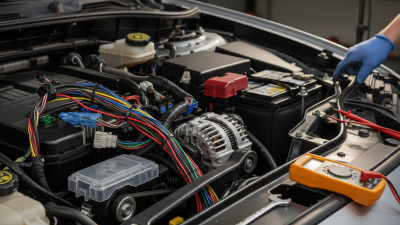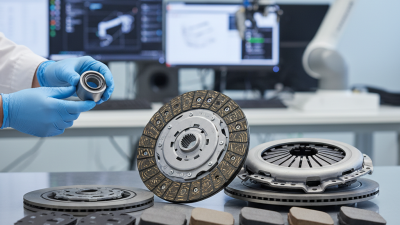
For global buyers, choosing the right Bosch filters in 2026 means looking beyond a familiar brand name. Engine type, operating conditions, service intervals, and local product availability all matter. A filter that suits a dusty worksite may not be the best choice for a city car. Small details count: the part number on the box, the seal’s fit, and the vehicle’s exact specification.
Robert Bosch, the company’s engineer-founder, is widely credited with saying, “I would rather lose money than trust.” This is a broad principle, not a verified statement about filters. No filter-specific expert quotation was supplied, so it would be misleading to invent one. Still, the idea is relevant: buyers need clear product identification and dependable technical information, not confident-sounding claims alone.
This guide examines leading Bosch filter options for global buyers, including oil, air, cabin, and fuel filters. It will explain what each type does and which selection details deserve attention. Availability and specifications can differ across markets, so a popular product is not automatically the right match. And there is a practical wrinkle: even careful buyers can overlook a suffix in a part number. That small mistake can change the fit. The comparisons ahead aim to make the choice clearer, while recognizing that model-year data and regional catalogues should always be checked before purchase.
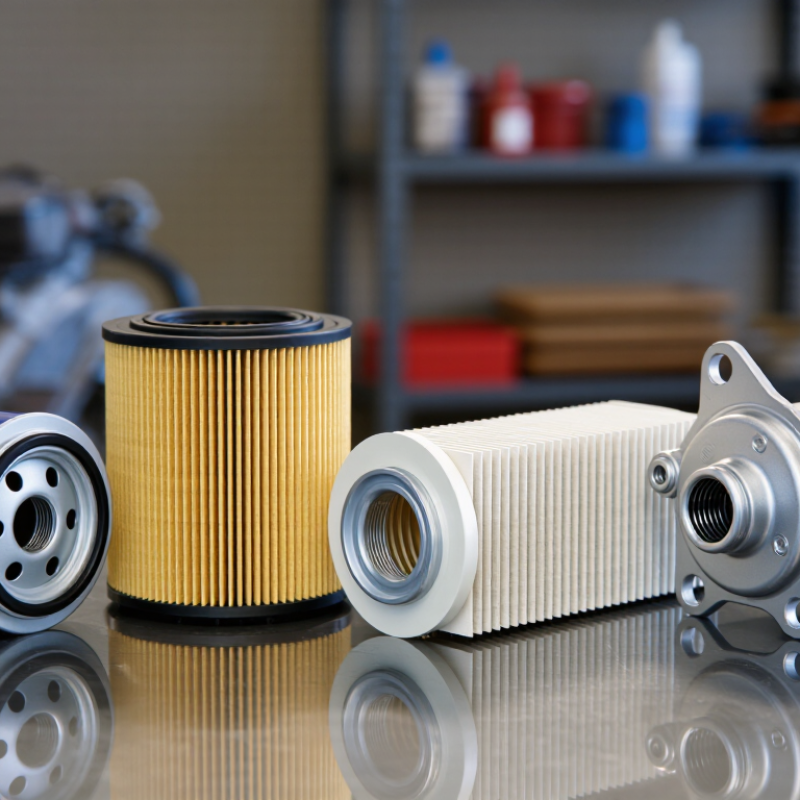
Automotive filters serve different jobs, so buyers should match each type to its operating conditions. Engine air filters use pleated media to capture dust while maintaining airflow. Cabin filters trap pollen, road dust, and other airborne particles before air reaches the passenger compartment. Oil filters combine porous media with a housing and bypass valve to manage contamination during changing flow conditions. Fuel filters help retain particles and, in some designs, separate water. Small differences matter.
Common filtration technologies include cellulose, synthetic fibers, and blended media. Cellulose can offer practical everyday filtration, while synthetic layers may support finer particle capture and steadier flow. Pleating increases usable surface area within a compact housing. Some designs add activated carbon to reduce certain odors and gases in cabin air, but performance depends on the media and test conditions. Carbon is not magic.
For global buyers, compare fitment data, stated efficiency, pressure drop, service interval, and independent test documentation. Check dimensions and sealing surfaces, too; a filter that fits loosely can allow unfiltered air or fluid to pass. Ask how ratings were measured, since figures from different test methods may not be directly comparable. Specifications help, but real use can be messier. Dust levels, climate, maintenance habits, and vehicle condition all affect service life, so replacement timing should follow reliable vehicle guidance rather than guesswork.

For 2026 global automotive applications, filter selection should begin with vehicle compatibility, not price. Engine air filters need strong pleated media, stable frames, and accurate sealing edges. These features help control dust, sand, pollen, and fine road particles in different climates. Cabin filters may also require moisture resistance and odor control for humid urban environments.
In workshop inspections, a firm gasket often proves more important than attractive packaging. Poor sealing can allow unfiltered air into the system. Pressure drop also deserves attention, because restrictive media may reduce airflow and increase system strain. Oil filters should support reliable particle capture and maintain structural strength during cold starts. Results can vary between vehicles. A filter that performs well in one engine may not suit another.
Tips: Check the part number against the vehicle’s engine code and production year. Inspect the old filter for dust trails, crushed pleats, or uneven sealing. Measure twice. Do not guess. Buyers should review temperature ranges, humidity exposure, service intervals, and local road conditions. Certified production controls can improve consistency, but certification alone does not guarantee perfect fitment. Test records, traceable specifications, and clear installation guidance provide stronger purchasing confidence. حکومت
Choosing the top filters for 2026 requires more than comparing prices. Global buyers should match each filter to the vehicle, climate, fuel quality, and service schedule. A filter that performs well in a dry region may struggle in humid or dusty conditions.
Check the part number against the vehicle’s engine code and production year. Confirm the filter’s dimensions, sealing material, and installation direction. For engine air filters, compare filtration efficiency with airflow resistance. A dense filter may capture more particles, but it can reduce airflow when neglected. Oil filters need reliable bypass valves, strong seams, and media suited to the recommended oil grade. Cabin filters deserve attention too, especially where traffic pollution is heavy.
Look beyond attractive packaging. Review laboratory test data, traceability records, and documented quality controls. Independent certification adds confidence, but it should match the exact product range. I have seen buyers focus on micron ratings while ignoring pressure drop and service intervals. That comparison is incomplete. A lower-cost filter can become expensive if it needs early replacement or causes restricted performance. Check warranty terms and local availability before ordering large quantities. Small details matter.
Real-world testing remains useful. Inspect a used filter after several thousand kilometers. Note dust loading, seal marks, moisture, and deformation. Even experienced buyers can choose poorly when operating conditions change. A practical comparison should balance protection, airflow, durability, fit, and total ownership cost.
| Filter category | Main function | What to compare | Typical service guidance | Conditions that can shorten service life | Fitment checks for global buyers |
|---|---|---|---|---|---|
| Engine air filter | Captures airborne dust and debris before air enters the engine. | Vehicle-specific dimensions, sealing design, filtration performance, and dust-holding capacity. | Inspect according to the vehicle maintenance schedule; replace as specified or when contaminated or damaged. | Dusty roads, construction areas, and frequent off-road driving. | Match the exact vehicle year, engine, market specification, and filter housing. |
| Oil filter | Captures contaminants circulating in engine oil. | Thread and gasket fit, bypass-valve requirements, pressure rating, and compatibility with the specified oil-change interval. | Normally replace with each engine-oil change, following the vehicle maker’s schedule. | Severe operating conditions or oil-change intervals that do not follow the vehicle schedule. | Check engine code, filter type, thread, gasket dimensions, and any specified valve features. |
| Fuel filter | Removes particles and, in some designs, water from fuel before it reaches fuel-system components. | Fuel type, flow capacity, pressure rating, water-separation requirements, and connection layout. | Follow the vehicle-specific schedule; some systems have a replaceable filter, while others use an in-tank or integrated design. | Contaminated fuel, water in fuel, or operation in environments with inconsistent fuel quality. | Confirm petrol or diesel application, fuel-system design, pressure specifications, and market-specific configuration. |
| Cabin air filter | Filters particles from air entering the passenger compartment through the ventilation system. | Exact dimensions, airflow resistance, particle-filtration capability, and whether the vehicle requires a standard or activated-carbon type. | Check the owner’s manual; annual inspection is common, with replacement frequency depending on use and local conditions. | High dust or pollen levels, heavy traffic, smoke, and frequent use of the ventilation system. | Check the vehicle’s cabin-filter location, size, airflow direction, and whether a carbon layer is supported. |
| Buyer note: Filter specifications and replacement intervals vary by vehicle, engine, model year, and market. Verify fitment and service requirements using the vehicle identification number (VIN) or the vehicle manufacturer’s maintenance information. | |||||
Global filter buyers in 2026 will need more than a familiar part number. Regional standards can change acceptable materials, efficiency ratings, and test methods. A filter approved for one market may fail another procurement review. Check vehicle, machinery, emissions, and import documentation requirements before ordering. Ask suppliers for current test reports, traceable batch records, and technical data sheets. Do not rely on a marketplace photograph.
Compatibility must be verified at the installation point. Compare dimensions, sealing surfaces, thread size, flow direction, pressure limits, and sensor openings. A two-millimeter gap can allow dust into a clean air system. In cold regions, confirm gasket flexibility below freezing. In humid ports, inspect packaging and corrosion protection. Fleet buyers should test samples across several operating cycles. One successful fitting is not enough. Catalog data may appear correct, yet housing depth can cause maintenance delays. That detail deserves more attention.
Tips: Create a regional buying checklist. Record the equipment model, service interval, operating climate, and required certificates. Request samples before bulk purchasing. Keep photos of the installed filter and its label. Recheck revisions every season. Specifications can change quietly. When local terminology is unclear, consult a qualified technician or independent laboratory. Their review may cost more initially, but it can prevent returns, downtime, and uncertain performance.
What Are the 2026 Top Bosch Filters for Global Buyers?
Global buyers should evaluate filter quality, fitment, and supply stability before choosing a 2026 replacement. S&P Global Mobility reported that the average U.S. vehicle age reached 12.6 years in 2024. Older vehicles need closer inspection of air, oil, fuel, and cabin filtration systems. A correct part number matters more than a familiar package. Check engine code, production year, dimensions, sealing material, and local certification requirements. A cheaper filter may create higher maintenance costs. I have seen small seal gaps leave dust around the housing. That detail is easy to miss.
Installation quality affects real performance. Clean the housing before fitting a new element. Never force a filter into position. An uneven seal can allow unfiltered air or oil to pass. For cabin filters, note the airflow arrow and remove leaves from the intake tray. The World Health Organization reports that 99% of people breathe air exceeding recommended pollution limits. This makes cabin filtration a practical comfort and health consideration, especially in dense cities. However, no filter replaces proper ventilation or professional medical advice.
Tips: Compare two independent supplier listings. Confirm batch traceability and storage conditions. Keep invoices and installation dates. Follow the vehicle manual, but shorten intervals in dusty regions, heavy traffic, or extreme heat. Maintenance schedules are useful, not perfect. That small distinction deserves more attention.
© 2025 Grandmark International. All rights reserved.
© 2020 Grandmark. Grandmark International. All rights reserved. Proud shareholder of Temot International.