grandmark logoGrandmark International
@alexaseleno
Skip to main content

What Is Automotive Glass and Which Type Is Best?

Automotive glass is more than a transparent panel between the driver and the road. It supports visibility, cabin protection, and, in many vehicles, advanced driver-assistance systems. The OICA 2023 production report recorded more than 93.5 million motor vehicles worldwide. That scale creates strong demand for dependable windshields, side windows, and rear glass. Yet “best” does not mean the most expensive option.

Federal Motor Vehicle Safety Standard 205 regulates glazing materials, while FMVSS 212 addresses windshield retention during crashes. NHTSA safety guidance also recognizes the windshield’s role in occupant protection and visibility. A laminated windshield usually offers better impact containment than ordinary tempered side glass. It can hold broken layers together, like a cracked phone screen that stays in place. Bob Beranek, an automotive glass safety specialist and former Auto Glass Safety Council president, has stated: “The windshield is a safety device, not just a piece of glass.” That sentence deserves attention.

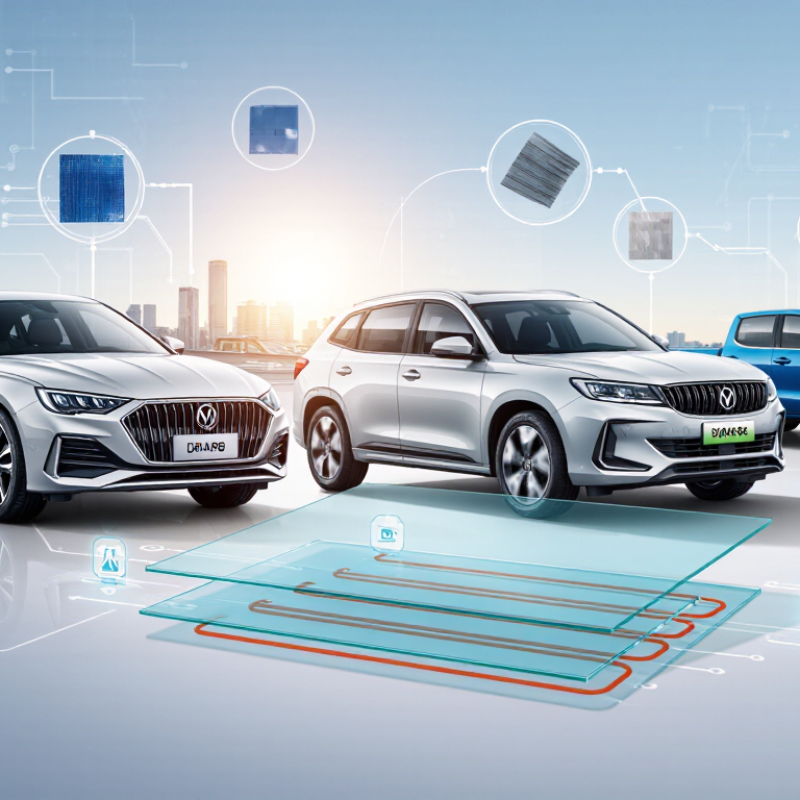
Modern windshields may include acoustic films, solar-control layers, heating elements, cameras, and rain sensors. These features can improve comfort, but they also increase replacement complexity. Industry research from Grand View Research identifies rising ADAS adoption as a major automotive glass market driver. However, market forecasts vary widely by research firm and measurement method. That uncertainty should not be ignored.

This guide compares laminated, tempered, acoustic, solar-control, and smart automotive glass. It considers safety, optical clarity, durability, cost, and recalibration needs. The ideal choice depends on the vehicle, climate, driving conditions, and original equipment specifications. A cheaper substitute may fit perfectly, yet still perform poorly with sensors. The glass is visible. Its engineering is not.
What Is Automotive Glass and Which Type Is Best?

Definition and Core Functions of Automotive Glass

Automotive glass is engineered glazing, not ordinary household glass. It includes the windshield, door windows, quarter glass, and rear window. The windshield usually uses laminated glass, with a clear polymer layer between two glass sheets. Side and rear windows often use tempered glass, although laminated side glass is becoming more common. Each design breaks differently under impact.

Its first function is controlled visibility. The glass must resist distortion, glare, scratches, and sudden temperature changes. It also supports occupant protection. Laminated glass can remain attached after cracking, helping reduce ejection through the windshield. The National Highway Traffic Safety Administration’s Federal Motor Vehicle Safety Standards include dedicated windshield retention and glazing impact tests. These requirements show that glass contributes to crash performance, not just comfort.

Modern glazing also carries cameras, rain sensors, heating elements, antennas, and acoustic layers. A small optical distortion near a forward camera can affect lane recognition or emergency braking decisions. This is why technicians should check glass specification, sensor position, adhesive curing, and calibration after replacement. The Insurance Institute for Highway Safety links crash avoidance technology with reduced collision risk, but the system still depends on clear, correctly installed glazing. The World Health Organization reported about 1.19 million annual road deaths in its Global Status Report on Road Safety 2023. That figure makes small installation errors feel less theoretical. I would not call one glass type universally best. Laminated glass improves retention and noise control, while tempered glass offers practical side-window breakability. The correct choice depends on location, vehicle structure, sensors, and repair quality.

What Is Automotive Glass and Which Type Is Best?

Automotive glass is engineered to provide visibility, structural support, occupant protection, and weather resistance. The chart compares typical nominal thicknesses used for major automotive glass applications.

Laminated glass is commonly used for windshields because its plastic interlayer helps retain broken pieces. Tempered glass is widely used for side and rear windows because it breaks into small, less-sharp fragments. Actual thickness varies by vehicle design, glazing area, and safety requirements.

Main Types of Automotive Glass and Their Locations

Automotive glass is not one uniform material. Its location determines its design, safety role, and replacement requirements. The windshield is usually laminated glass, made from two glass layers bonded around a plastic interlayer. During a collision, it can crack without scattering sharp pieces. It also supports camera mounts, airbags, and part of the vehicle’s roof structure. NHTSA’s Federal Motor Vehicle Safety Standard 205 requires at least 70% light transmittance in the critical windshield viewing area.

Side windows and rear windows are commonly tempered glass. It is heat-treated for strength and breaks into small, blunt fragments during severe impact. Some vehicles use laminated side glass instead, especially where noise reduction, security, or passenger protection matters. Quarter glass follows the same principle, but its shape and fixed position can make replacement more specialized.

Sunroofs may use tempered or laminated glass, depending on the panel design. Laminated versions can reduce wind noise and help hold broken glass together. The 2024 Global Automotive Glass Market report by Grand View Research identifies windshields as the largest application segment, reflecting their essential safety function. Still, market size does not decide the best glass for every vehicle. I would not choose by appearance alone. A darker window may look practical, yet it can reduce night visibility or conflict with the original vehicle specification. NHTSA’s FMVSS 205 markings, the glass code, and the vehicle service manual provide better evidence. The simple rule works, but it is not perfect. Location matters most.

Safety Features and Technologies Used in Vehicle Glass

What Is Automotive Glass and Which Type Is Best?

Automotive glass is a safety component, not merely a clear barrier. The windshield usually uses laminated glass, with a plastic layer between two glass sheets. During a collision, this layer helps hold broken pieces together. It also supports the vehicle’s roof structure and reduces wind noise.

Side and rear windows commonly use tempered glass. It is heat-treated to break into smaller, less sharp fragments. That design can reduce serious cuts during impact. Some vehicles add acoustic glass, ultraviolet protection, or a heated surface for frost removal. Small details matter. In real workshop inspections, chips near the driver’s viewing area deserve careful attention. A minor crack can spread after temperature changes or road vibration.

Modern windshields may contain cameras, rain sensors, heating elements, and head-up display areas. These systems require accurate installation and calibration after replacement. Even a slight camera angle error can affect lane warnings or emergency braking support. Clean glass helps sensors work correctly. So does proper calibration. It is easy to focus only on visible damage, but hidden alignment problems may remain. No glass system is perfect, and advanced features can create new maintenance demands. The best type depends on the vehicle’s structure, climate, driving habits, and safety equipment. A qualified technician should verify the glass specification and calibration process before the vehicle returns to the road.

Comparing Laminated and Tempered Automotive Glass

Automotive glass is engineered for more than visibility. It helps manage impact forces, wind pressure, noise, and weather. The two main safety types are laminated and tempered glass. Their differences become important during a collision or break-in attempt.

Laminated glass

Laminated glass contains two glass sheets joined by a clear plastic interlayer. It is commonly used in windshields because cracks may spread without the panel collapsing immediately. The interlayer can hold fragments together, helping protect occupants from sharp pieces. It also reduces wind noise and filters much ultraviolet radiation.

During an inspection, look for star-shaped chips, long cracks, and distorted viewing areas. Small damage is not automatically harmless. Temperature changes can enlarge it.

Tempered glass

Tempered glass is heated and cooled quickly during manufacturing. When it breaks, it usually forms many small, blunt-edged pieces. This design can reduce serious cuts and support emergency exit through side windows. However, tempered glass often provides less protection against objects entering the cabin. It also cannot be repaired after shattering. Replacement is normally required.

The distinction is not absolute. Some vehicles use laminated glass in selected side windows, depending on safety goals and cabin design.

I once assumed every side window was tempered; that assumption was too simple.

Always check the vehicle markings and service documentation before choosing replacement glass. A qualified installer should confirm fit, optical clarity, and correct bonding materials. Small details matter.

How to Choose the Best Automotive Glass for Your Vehicle

Automotive glass protects occupants, supports visibility, and helps maintain the vehicle’s structural strength. The windshield is usually laminated, with a plastic layer between two glass sheets. It can crack without scattering into sharp pieces. Side and rear windows are commonly tempered. They break into small, blunt fragments during severe impact.

Choosing the best automotive glass requires more than selecting the clearest option. Check the correct shape, thickness, tint, and safety markings for your vehicle. A poor fit can create wind noise, water leaks, or weak bonding. Some newer vehicles also use cameras behind the windshield. After replacement, these systems may need precise calibration. Ignoring that step can affect emergency braking or lane guidance. The darkest glass is not always the best choice. It may reduce glare, but it can also limit night visibility. I once considered appearance first; that was an incomplete judgment.

Tips: Compare the replacement glass with your original piece. Check heating lines, rain sensors, antenna areas, and camera brackets. Ask the installer whether calibration is required. Choose a qualified technician who follows the vehicle maker’s repair specifications. Keep the invoice and glass details for future service. Temperature changes can stress fresh adhesive, so follow the recommended curing time before driving. There is no universal winner. The right choice depends on safety features, driving conditions, and a precise installation.