grandmark logoGrandmark International
@alexaseleno
Skip to main content

How to Buy Auto Windshields Globally in 2026?

Buying auto windshields globally in 2026 requires more than comparing prices. Buyers must evaluate safety, vehicle compatibility, supplier credibility, and after-sales support. A windshield may look like a simple glass panel. It is not.

Bob Beranek, an auto-glass safety specialist and author, has emphasized, “The windshield is one of the most important safety devices in a vehicle.” That principle should guide every international purchase. A suitable windshield must match the vehicle’s exact make, model, year, body style, and glass specifications. Small differences can affect sealing, visibility, noise control, and airbag performance.

Start with the vehicle identification number and the original glass markings. Then confirm whether the windshield includes rain sensors, heating elements, cameras, antennas, or acoustic layers. Modern vehicles often use advanced driver-assistance systems. These systems may require calibration after installation. Ignoring that step can create serious safety concerns.

Supplier experience matters. Look for documented quality systems, traceable production, clear warranty terms, and realistic delivery schedules. Ask for packaging photos. A cracked corner can ruin an otherwise correct shipment. Compare shipping costs, insurance, duties, and regional compliance requirements before ordering.

Not every low-price offer is a bargain. Sometimes, it reflects missing certification or weak packaging. That is easy to overlook.

This guide examines sourcing channels, product verification, international logistics, installation requirements, and common purchasing mistakes. It also considers an uncomfortable question: are buyers selecting the cheapest glass, or the safest complete solution? In global procurement, the answer is not always obvious.

How to Buy Auto Windshields Globally in 2026?

Define Glass Specifications: VIN, OE Number, ECE R43, and FMVSS 205

Global windshield purchasing in 2026 starts with a precise glass specification, not a product photo. The VIN identifies the vehicle’s model, year, body style, and factory configuration. It may reveal camera brackets, rain sensors, or heating elements. However, a VIN does not always confirm every glass variation. Production changes can create two windshields for one model year. Request the complete OE number, including suffixes and revision codes. Match it against the supplier’s drawing, dimensions, tint band, antenna layout, and mounting points. Small differences matter.

Compliance documents require equal attention. ECE R43 covers safety glazing requirements used in many international markets. FMVSS 205 applies to glazing materials supplied for vehicles in the United States. These references are not interchangeable labels. Request test reports, approval markings, batch traceability, and the exact glass position covered by each document. A qualified compliance reviewer should check the documents against the destination market. One uncomfortable lesson is that a neat certificate can still hide a specification gap. Do not assume. Before shipment, compare the etching, curvature, edge finish, sensor openings, and bracket locations. Ask for clear photographs and retain inspection records. A final physical sample check may cost more, but correcting a wrong shipment usually costs far more.

How to Buy Auto Windshields Globally in 2026?

Define Glass Specifications: VIN, OE Number, ECE R43, and FMVSS 205

The chart compares the commonly referenced minimum visible light transmittance for windshield glazing under UNECE Regulation No. 43 and FMVSS No. 205. A value of 70% means that at least 70% of visible light must pass through the applicable windshield area under the relevant test requirements.

For accurate global sourcing, provide the vehicle identification number (VIN), which normally contains 17 characters, together with the original equipment number when available. Then confirm the required regulatory marking: ECE R43 for markets applying UNECE vehicle regulations or FMVSS 205 for the United States. Final requirements can vary by vehicle position, glazing zone, sensors, cameras, tint, and destination market.

Screen Suppliers Using ISO 9001, IATF 16949, and DOT/SAE Markings

Global windshield buying in 2026 demands more than a low quotation. OICA reported approximately 93.5 million motor vehicles produced worldwide in 2023. That scale increases sourcing pressure, but safety documentation still deserves priority. Request each supplier’s current ISO 9001 certificate, certification scope, site address, and latest audit status. ISO’s 2023 Survey recorded more than one million ISO 9001 certificates globally. Therefore, a certificate alone proves little.

IATF 16949 should receive closer attention for automotive glazing production. It evaluates process control, traceability, supplier management, and corrective actions. Ask for process flow charts, control plans, incoming-glass records, and evidence from recent customer complaints. An IATF certificate must match the actual manufacturing site, not only a trading office. That mistake is surprisingly common. Review batch labels, edge quality, curvature measurements, and camera-cutout accuracy before approval.

Check the windshield markings against applicable FMVSS 205 requirements and relevant SAE glazing specifications. A DOT code identifies a registered glazing manufacturer, while markings such as AS-1 indicate a glazing classification. Do not treat the symbol as automatic proof of every performance claim. Request test reports for optical distortion, light transmission, impact resistance, and adhesive compatibility. NHTSA safety guidance emphasizes windshield retention and occupant protection during crashes. For international shipments, compare these records with UNECE R43 or destination-country rules. A practical weakness remains: laboratory results may represent one production batch, not every future shipment. Require retained samples, lot traceability, and independent pre-shipment inspection.

Compare HS 7007.21 Classification, Incoterms 2020, Duties, and VAT

How to Buy Auto Windshields Globally in 2026?

Auto windshields usually fall under HS 7007.21 when they are laminated safety glass shaped for vehicle installation. Confirm this code with the destination customs authority before ordering. Some countries apply additional national digits, so a six-digit match may not be enough.

I compare Incoterms 2020 against the shipment’s real risk. FOB can suit container exports, while CIF includes freight and insurance to the named port. DAP leaves import clearance and taxes to the buyer. DDP may simplify delivery, but the seller must legally manage import obligations in the destination country. Those differences affect the final landed cost.

Ask for a commercial invoice, packing list, transport document, origin evidence, and safety-test records. Customs normally calculates duty from the declared customs value, which may include transport or insurance under local rules. VAT can apply to the customs value, duty, and certain import charges. Rates vary by country and sometimes by vehicle use.

My early mistake was comparing supplier prices without adding destination VAT and port handling. The “cheapest” quote became expensive.

Check the tariff database, valuation method, and tax registration requirements with a qualified customs broker. Keep product dimensions and glass specifications consistent across every document. Small mismatches can delay release.

Verify ADAS Compatibility, Including Cameras, Sensors, and FMVSS 111

How to Buy Auto Windshields Globally in 2026?

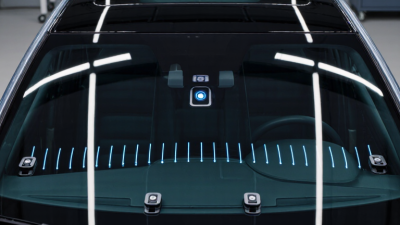
A windshield is no longer simple glass. It may carry a forward camera, rain sensor, light sensor, heating element, or head-up display. The wrong bracket can shift a camera by millimeters. That small error can affect lane warnings and emergency braking.

The National Highway Traffic Safety Administration’s FMVSS 111 rule requires a clear rear-view image and visibility of at least 95% of the defined viewing zone. Its final regulatory analysis estimated that improved rear visibility could prevent 58 to 69 deaths and 42,000 injuries annually in the United States.

When sourcing internationally, buyers should request the exact vehicle configuration, camera bracket position, sensor openings, glass thickness, and installation instructions. A matching part number alone is not enough.

Ask suppliers for evidence of calibration requirements, not vague compatibility claims. The Insurance Institute for Highway Safety has repeatedly shown that driver-assistance performance varies across vehicles and test conditions.

After installation, use the vehicle maker’s approved static or dynamic calibration procedure, with documented targets, road conditions, and diagnostic results.

Keep photographs of the bracket and sensor area before fitting. It helps expose installation mistakes later.

A flawed assumption remains: every replacement shop can recalibrate every system. They cannot.

Procurement teams should verify technician training, diagnostic equipment, traceable quality records, and compliance with local regulations before payment.

FMVSS 111 is a United States requirement, but it remains a useful benchmark for global purchasing decisions.

Plan Inspection and Installation with ECE R43 Testing and Safe-Glass Standards

Buying auto windshields globally in 2026 requires more than comparing thickness and price. ECE R43 testing should guide supplier qualification, not decorate a product sheet. Ask for current test reports, approval references, glass type, production traceability, and the exact vehicle application. Check whether documents match the factory and shipment. A copied certificate is a serious warning.

Inspection should begin before loading. Measure length, width, curvature, thickness, edge quality, transparency, frit bands, and mounting features. Use clean gloves and soft supports. Small edge chips can become cracks during transport. Confirm laminated safety-glass construction and required markings. ECE R43 covers performance areas such as fragmentation behavior, light transmission, abrasion, and impact resistance. Local rules may add conditions. Verify acceptance with an independent laboratory or qualified inspection body when uncertainty remains.

Installation needs the same discipline. Store each windshield upright, dry, and away from direct heat. Confirm the adhesive, primer, curing time, and humidity range before fitting. The vehicle should not move until the safe-drive interval is met. Poor bonding can affect occupant protection and camera calibration. I still recheck alignment after curing; a small offset is easy to miss. A perfect checklist does not exist. Keep photos, batch numbers, inspection results, and installer qualifications for every shipment. This makes disputes easier to investigate when the original plan looked complete.

How to Buy Auto Windshields Globally in 2026? - Plan Inspection and Installation with ECE R43 Testing and Safe-Glass Standards
Procurement Dimension Planning Requirement Inspection or Test Point Relevant Standard or Regulation Typical Evidence to Request Recommended Acceptance Criteria Global Buying Note
Vehicle identification Confirm vehicle make, model, model year, body style, left- or right-hand-drive configuration, and windshield position. Match the part against the vehicle identification number, original glass reference, dimensions, curvature, camera area, and mounting features. Vehicle-specific fitment requirements; applicable national vehicle-safety rules. Technical drawing, dimensional report, fitment list, and sample approval record. All mounting points, apertures, sensors, brackets, and edge profiles match the approved vehicle configuration. Do not purchase by vehicle name alone; regional model variations can use different glass.
Glass construction Specify laminated safety glass for windshields, including glass thickness, interlayer type, color, shade band, and acoustic or solar-control options where required. Check total thickness, ply sequence, interlayer condition, optical uniformity, edge quality, and visible inclusions. UNECE Regulation No. 43; FMVSS No. 205; ANSI/SAE Z26.1; applicable local safety-glazing rules. Material specification, thickness report, batch number, and conformity declaration. No cracks, delamination, open edges, unacceptable bubbles, sharp edges, or visible optical distortion in the driver viewing zone. Confirm that the selected standard is accepted in the destination market before shipment.
ECE R43 approval Use safety glazing with valid approval for markets that require UNECE type approval. Verify the permanent approval marking, approval number, glass category, and manufacturer traceability information. UNECE Regulation No. 43, including requirements for safety glazing materials and their installation in vehicles. Photograph of the marking, approval certificate, test report, and production conformity documentation. Marking is legible, permanent, consistent with the supplied certificate, and applicable to the windshield type. An E-mark alone should not replace document verification and physical inspection.
North American compliance For the United States and Canada, identify the required federal or national safety-glazing marking before ordering. Check the certification marking and verify light-transmission and glazing requirements for the windshield position. FMVSS No. 205; ANSI/SAE Z26.1; applicable Canadian Motor Vehicle Safety Standards. Certification statement, marking image, test documentation, and traceability information. Product marking and documentation correspond to the destination-country requirements and windshield application. Do not assume ECE R43 approval automatically satisfies every North American requirement.
China-market compliance For vehicles or replacement parts supplied into China, verify the current national safety-glazing requirements. Review required marking, product category, light-transmission provisions, and conformity documentation. GB 9656, Safety Glazing Materials for Road Vehicles, subject to the current applicable edition and scope. Chinese-market conformity documents, test report, marking photograph, and product specification. Documentation and marking match the current Chinese requirements for the exact glass application. Regulatory editions and enforcement details should be confirmed with the importer or local authority.
Optical quality Prioritize optical performance in the driver’s primary viewing area, especially for curved or camera-equipped windshields. Inspect for double images, waviness, distortion, haze, non-uniformity, and visual artifacts under daylight and night-like lighting. Applicable safety-glazing optical requirements under the selected approval system. Optical inspection procedure, inspection lighting specification, and quality-control record. No objectionable distortion or double imaging within the required driver viewing zone. Use a pre-shipment sample review for high-volume or safety-critical purchases.
Light transmission Define clear areas, shade bands, tint levels, and any restricted coating or film requirements before production. Measure visible-light transmission in the specified areas using calibrated equipment. Destination-market glazing rules; UNECE R43, FMVSS 205, or other applicable national requirements. Calibrated measurement record, test method, and sampling plan. Measured transmission complies with the destination regulation and the vehicle’s driver-visibility requirements. Aftermarket films or additional tint can change compliance and should be assessed separately.
ADAS and sensor compatibility Identify forward cameras, rain or light sensors, heating elements, antennas, head-up display areas, and calibration targets. Verify camera bracket position, frit pattern, sensor window, optical wedge, connector location, and heating resistance where applicable. Vehicle manufacturer service information and applicable safety or electronic-system requirements. Bracket drawing, sensor compatibility statement, calibration instructions, and functional test record. Correct bracket geometry and unobstructed sensor field; post-installation calibration completed successfully. Windshield replacement may require static or dynamic ADAS calibration after installation.
Dimensions and fit Control length, width, diagonal, curvature, edge thickness, hole positions, and tolerance limits. Measure the glass against approved drawings or a certified master template; inspect edge chips and corner geometry. Approved vehicle-specific drawing and applicable glazing approval requirements. Dimensional inspection report, drawing revision, gauge record, and sample sign-off. All critical dimensions remain within the approved tolerance and the glass seats without forced deformation. Shipping protection must prevent corner impact, edge damage, and curvature change.
Packaging and logistics Plan vertical or approved rack transport, shock protection, moisture control, customs documents, and insurance. Inspect crates or racks for movement, broken separators, water ingress, impact marks, and incorrect quantities. Carrier handling rules, import regulations, and agreed packaging specifications. Packing list, commercial invoice, certificate of origin where required, photographs, and damage report procedure. Packaging arrives intact; every item is traceable to its batch and purchase order. Use clear Incoterms, inspection responsibility, and claims deadlines in the purchase contract.
Pre-installation vehicle inspection Inspect the body opening, pinch weld, corrosion, previous adhesive, clips, moldings, and interior trim before removing the old glass. Record corrosion, deformation, contamination, water leaks, damaged clips, and evidence of earlier poor repairs. Vehicle manufacturer repair procedures and professional safe-glass installation practices. Before-work photographs, inspection checklist, damage approval, and repair authorization. Bonding surfaces are structurally sound, clean, dry, and suitable for the specified adhesive system. Corrosion or structural damage should be corrected before glass bonding.
Adhesive and primer control Specify an automotive glazing adhesive system with documented batch control, shelf life, storage range, and primer requirements. Check product identity, expiry date, lot number, substrate preparation, primer flash-off, and environmental conditions. Adhesive manufacturer technical data and vehicle repair procedure; applicable safe-installation practice. Technical data sheet, safety data sheet, batch record, storage log, and installer checklist. Adhesive is within shelf life and installed according to the documented temperature, humidity, and preparation limits. Never mix primer or adhesive systems without confirmed compatibility.
Installation environment Control temperature, humidity, dust, rain, wind, and workshop cleanliness during bonding. Record ambient and substrate conditions before and during installation; prevent water or dust contamination. Adhesive technical data and vehicle repair procedure. Environmental log, installation time record, and technician checklist. Conditions remain within the adhesive system’s specified application limits. Mobile installation requires additional controls for weather, dust, and vehicle stabilization.
Safe drive-away time Set the vehicle release time according to the exact adhesive, temperature, humidity, glass position, and airbag design. Confirm adhesive cure status and document the calculated release time before returning the vehicle to service. Adhesive technical data and vehicle manufacturer repair procedure. Product data sheet, cure-time calculation, installation record, and release authorization. Vehicle is not driven until the documented safe drive-away time has elapsed under the actual conditions. There is no universal cure time; use the adhesive supplier’s validated data rather than a fixed global number.
Post-installation inspection Complete a final quality and safety check before handover. Check seating, flushness, adhesive squeeze-out, molding fit, leaks, wind noise, glass damage, sensor operation, and warning lamps. Vehicle manufacturer repair procedure and applicable safe-glass installation practice. Final inspection checklist, water-test result where appropriate, photographs, and customer sign-off. No visible gap, movement, leak, loose trim, unacceptable optical defect, or unresolved electronic warning. Retain records for warranty, traceability, insurance, and regulatory audits.
Traceability and warranty Maintain a link between vehicle, glass, batch, installer, inspection result, and delivery date. Audit serial or batch records and confirm complaint-handling and replacement procedures. Contractual quality requirements and applicable product-liability regulations. Batch certificate, delivery record, installation report, warranty terms, and corrective-action form. Every installed windshield can be traced to its production batch and installation record. Define warranty exclusions for stone impact, improper installation, vehicle-body movement, and unauthorized modification.
Recommended buying decision Approve suppliers and products only after regulatory, technical, sample, logistics, and installation risks are reviewed together. Use a weighted review covering compliance, fit, optical quality, ADAS compatibility, packaging, delivery, and service support. Destination-market regulation plus the vehicle repair procedure. Completed supplier questionnaire, sample approval, compliance file, inspection plan, and installation plan. Release only after all critical items pass Regulatory requirements can vary by destination and may change; confirm the current rules before placing the 2026 purchase order.