In today's automotive world, aftermarket parts have gained considerable popularity. Car enthusiasts and everyday drivers alike often consider these options. They can offer affordability and enhancements for your vehicle.
Selecting the right aftermarket parts can be overwhelming. The market is filled with choices that cater to various needs. Quality varies greatly, and not all parts are created equal. Some options might provide better performance, while others could lead to disappointment. It's essential to research brands and read reviews.
Finding the best aftermarket parts requires diligence. You must balance cost with quality. Consider the type of vehicle you have and its specific needs. Incorrect choices could lead to wastage of money and time. Take the time to reflect on what truly enhances your car's performance and longevity. Make choices that align with your driving style and budget.
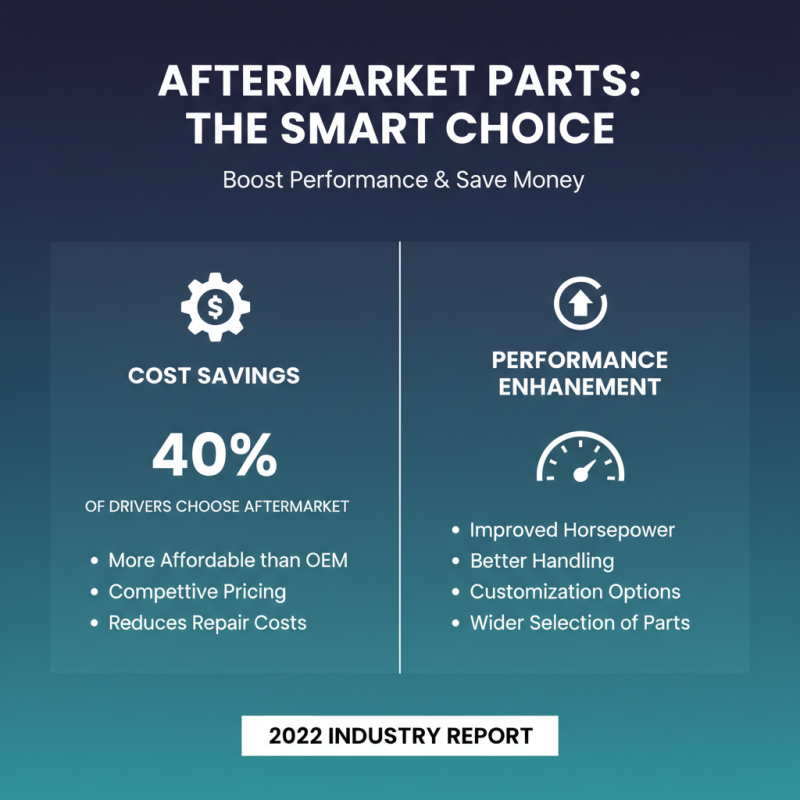
Aftermarket parts refer to vehicle components made by companies other than the original manufacturer. These parts have gained popularity for various reasons. A 2022 industry report indicates that nearly 40% of vehicle owners opt for aftermarket components to save costs while enhancing performance.
One of the significant benefits of aftermarket parts is their potential for improved quality and variety. They often exceed OEM standards, providing options for better performance. For instance, high-performance brake pads can reduce stopping distance and improve safety. However, not all aftermarket parts are created equal. Some may not fit perfectly and could lead to issues during installation or use.
Tip: Always research product reviews before making a purchase. Look for user feedback on fit and performance. In some cases, cheaper alternatives can cause more problems down the line.
Another advantage is customization. Aftermarket parts allow vehicle owners to tailor their rides to personal preferences. From aesthetic enhancements to tuning options, the choices are abundant. Yet, caution is needed. Misleading marketing can entice buyers into low-quality products. Proper research is essential.
Tip: Consult with experts or trusted forums. They can provide insights on reliable aftermarket brands. Your vehicle deserves the best, and informed decisions matter.
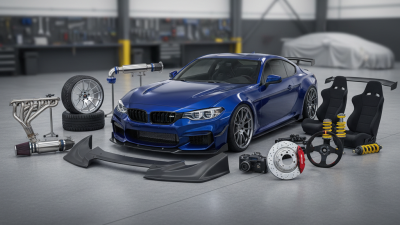
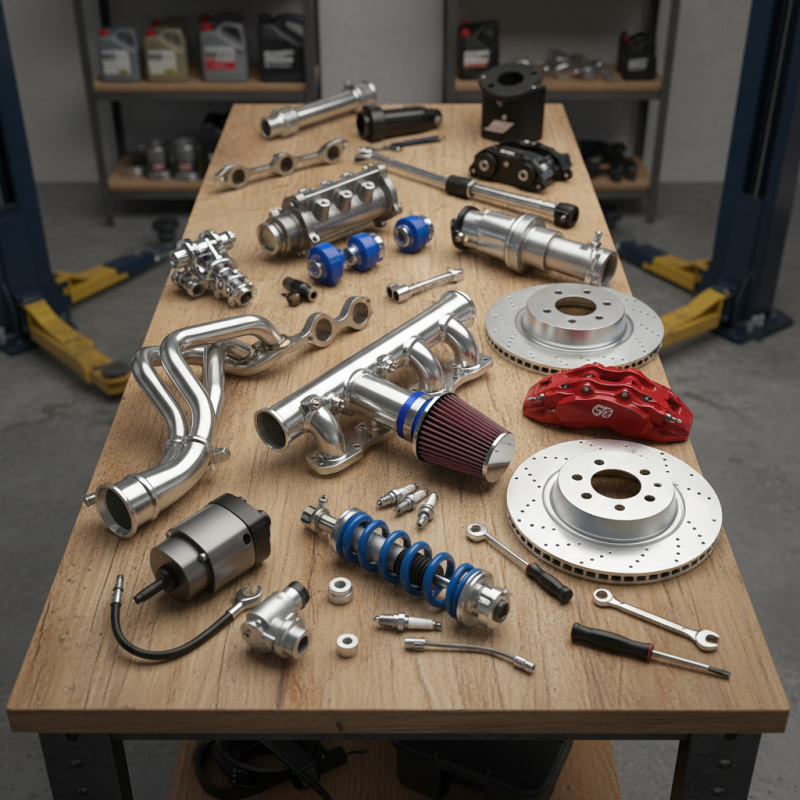
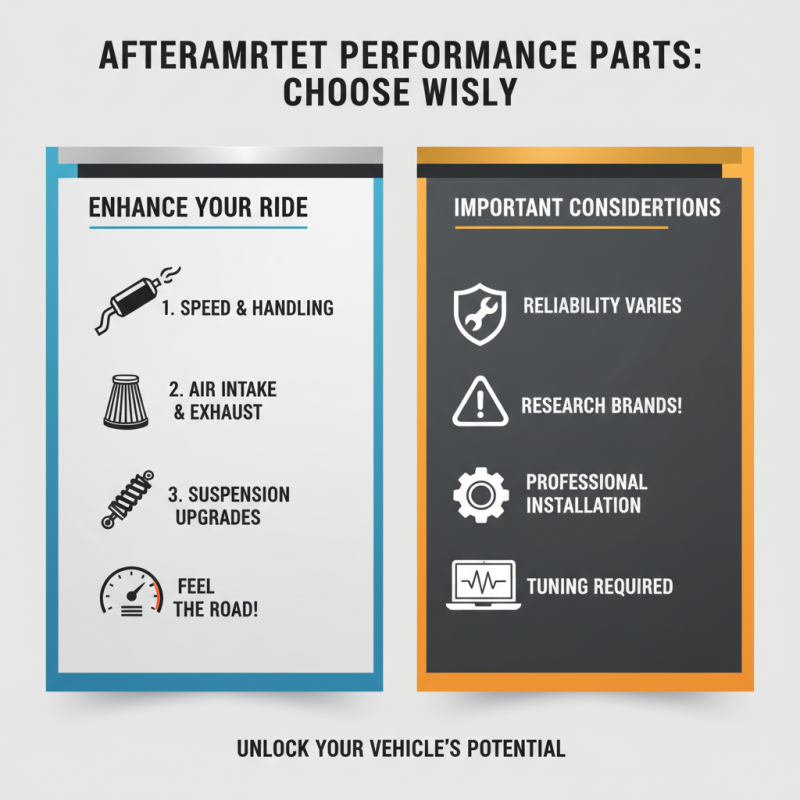
When choosing aftermarket parts, it's essential to consider the type. Performance parts can enhance speed and handling. They often offer better exhaust systems, air intakes, and suspension upgrades. These changes can make your vehicle feel alive on the road. However, not all performance parts are reliable. Often, they need professional installation and tuning for maximum effectiveness.
Replacement parts serve a different purpose. They are designed to restore your vehicle's original functionality. These can include everything from brake pads to starter motors. Generally, they ensure your car runs smoothly. Yet, quality can vary significantly. Some aftermarket replacements may not meet the same standards as OEM parts. It's crucial to research before making a choice.
Custom options allow for personal expression. This could mean unique body kits or striking decals. While customizing can make your vehicle stand out, it may also affect performance. Balance is key. Personal taste should not outweigh practical considerations. Always weigh the pros and cons of custom parts before diving in.
When choosing aftermarket parts, several key factors deserve your attention. Quality should be your foremost concern. Many reports indicate that up to 30% of aftermarket parts may be substandard. These parts can fail prematurely, leading to costly repairs. Always research the manufacturer and look for certifications to ensure you invest wisely.
Compatibility is another crucial factor. Not all aftermarket parts fit every vehicle make and model. A mismatch can lead to serious performance issues. Many consumers overlook this, assuming all aftermarket parts are interchangeable. Use online tools or consult automotive experts to check compatibility before purchasing.
Tip: Always ask for detailed specifications. This transparency can save you from future headaches.
Cost is often a major influence, but cheap isn't always best. Low-priced parts may be tempting, but they often lack durability. The old saying, "You get what you pay for," rings true in the aftermarket industry. Consider long-term savings over initial costs to avoid financial regret later.
Tip: Compare warranties before purchasing. A good warranty indicates confidence in the product's longevity.
Evaluating these factors thoughtfully can lead you to better decisions. Don't rush; thoughtful selection often pays off in the long run.
When selecting aftermarket parts, assessing quality is crucial. Start your research by focusing on reputable brands. Look for industry certifications, as they often signify adherence to quality standards. According to a 2021 automotive parts report, products with recognized certifications are 35% less likely to fail than unbranded options. This adds peace of mind when making purchases.
Reading reviews can provide insights into real user experiences. A J.D. Power study noted that 72% of consumers rely on online reviews before deciding on aftermarket parts. However, not all reviews are trustworthy. Fake reviews can distort perceptions. It’s wise to cross-check multiple sources before reaching a conclusion.
Beware of overly positive feedback. Something might be off if a product has an average rating of 4.9 stars with no negative comments. Also, consider how long a brand has been in business. New entrants may lack extensive testing and reliability history. This background check can save time and money in the long run.
This chart displays the quality ratings of various types of aftermarket parts based on customer reviews and expert certifications.
When choosing aftermarket parts, installation is a critical consideration. You can opt for professional installation or go the DIY route. According to a recent industry report, around 40% of vehicle owners prefer professional service for complex installations. This choice often guarantees expert handling and may prevent potential mistakes. However, professional services can be pricey. Costs can add up to hundreds or even thousands of dollars, depending on the part and labor required.
On the other hand, DIY installations appeal to many for their cost-effectiveness. Statistics show that nearly 60% of car enthusiasts take on DIY projects for better savings. You can find detailed guides online to assist in the installation process. Yet, this path requires a level of confidence and skill. Many DIYers encounter issues, such as misalignment or improper fittings, leading to frustration. Reflecting on these challenges, it's essential to assess your comfort level and knowledge before taking on an aftermarket installation.
Ultimately, the decision between professional and DIY installation depends on your specific needs. While a professional might ensure that everything is done right, a DIY project can enhance your skills. It's crucial to weigh both options carefully and consider potential pitfalls. Consider your vehicle, your budget, and your own mechanical abilities.
© 2025 Grandmark International. All rights reserved.
© 2020 Grandmark. Grandmark International. All rights reserved. Proud shareholder of Temot International.