grandmark logoGrandmark International
@alexaseleno
Skip to main content

Top 10 Car Engine Types for Global Buyers

Choosing a car engine is not simply a question of horsepower. For global buyers, the right choice depends on climate, fuel quality, driving distance, repair access, and local ownership costs. A compact turbocharged engine may feel lively in a crowded European street, while a larger naturally aspirated unit may suit long, hot routes with limited service facilities. Electric motors, hybrids, diesels, and petrol engines each solve different problems.

This guide examines the top 10 car engine types used across major markets. It considers real driving behavior, maintenance demands, efficiency, durability, and emissions expectations. The discussion reflects common automotive engineering principles and practical ownership experience, rather than relying on marketing claims alone. Small details matter, such as cold-start performance at high altitude or battery behavior during winter traffic.

No engine is perfect. That matters.

Some engines deliver impressive fuel economy but require careful servicing and suitable fuel. Others offer simple construction, yet consume more fuel in daily use. A buyer in Dubai may prioritize cooling performance, while a driver in Norway may focus on cold-weather range and battery heating. Regional parts availability also deserves attention. A technically excellent engine can become frustrating when qualified technicians are scarce.

The rankings are therefore a starting point, not a universal verdict. Manufacturer specifications, independent testing, warranty terms, and owner manuals should guide the final decision. Market technology changes quickly, and older assumptions can fail. The most suitable engine is the one that matches real roads, realistic budgets, and dependable support.
Top 10 Car Engine Types for Global Buyers

Understanding the Main Types of Car Engines

Top 10 Car Engine Types for Global Buyers

Understanding the main types of car engines begins with how they create motion. Gasoline engines use spark ignition and usually offer quiet, responsive performance. Diesel engines rely on compression ignition, delivering strong pulling power and efficient highway travel. Both remain dependent on liquid fuel and produce tailpipe emissions. Their real-world results can differ sharply in traffic, weather, and maintenance quality.

Hybrid systems combine an internal-combustion engine with electric assistance. Full hybrids can recover energy during braking, while plug-in hybrids add a larger battery and external charging.

Battery-electric vehicles use electric motors instead of combustion engines.

The International Energy Agency’s Global EV Outlook 2025 reports that more than 17 million electric cars were sold worldwide in 2024, exceeding one-fifth of new car sales. Momentum is clear. Yet charging access still shapes ownership.

Other important types include mild hybrids, hydrogen fuel-cell systems, rotary engines, and various cylinder layouts, such as inline, V-shaped, and flat engines. These designs affect vibration, weight, packaging, and repair costs.

The U.S. Department of Energy notes that regenerative braking can improve hybrid efficiency by recovering energy normally lost as heat. However, laboratory ratings are not daily experience. A vehicle carrying five passengers up a steep road may consume far more energy than its brochure suggests.

Buyers should compare climate, driving distance, fuel availability, charging time, service skills, and battery warranty terms.

The categories look tidy. Ownership is not.

How Car Engines Differ in Design and Operation

Top 10 Car Engine Types for Global Buyers

How Car Engines Differ in Design and Operation

Car engines differ through cylinder layout, fuel delivery, cooling, and power generation. Inline engines place cylinders in one row, making servicing relatively straightforward. V-shaped engines use two cylinder banks, often producing strong power within a shorter engine bay. Flat engines sit lower, which can improve balance and cornering stability. Design changes everything.

Naturally aspirated engines build power without forced air. Turbocharged engines push extra air into the cylinders, creating stronger acceleration from smaller capacities. Diesel engines usually deliver high low-speed torque, which helps with heavy loads. Hybrid systems combine combustion engines with electric motors, while fully electric powertrains use battery-fed motors and need no fuel combustion. In daily driving, throttle response, cabin noise, and vibration can feel more important than peak horsepower. A quiet engine is not automatically a healthy one.

Tips: Check service records, cold-start behavior, oil condition, and visible leaks. Ask whether local technicians understand the engine’s cooling and fuel systems. Climate matters too; dusty roads and extreme heat can shorten maintenance intervals. A simple design may be easier to repair, but it can feel less refined. That trade-off deserves honest thought. Test the vehicle on hills, in traffic, and during steady cruising. Beware of polished advertisements. Real operating conditions often reveal the engine’s weaker side.

Top 10 Car Engine Types for Global Buyers

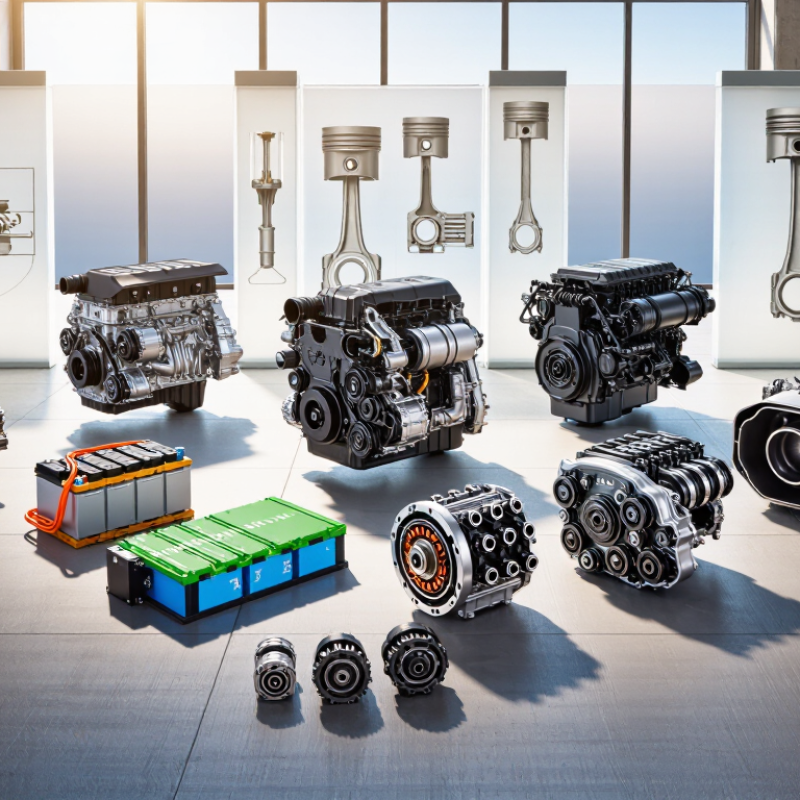
Global buyers now face ten practical powertrain choices: gasoline inline-four, gasoline V6, gasoline V8, diesel, turbocharged gasoline, mild hybrid, full hybrid, plug-in hybrid, battery electric, and hydrogen fuel-cell. Each serves a different driving pattern. Small gasoline engines suit dense cities and low purchase budgets. Diesel remains useful for heavy loads and long highway distances. Turbocharging adds stronger acceleration from smaller engines, but repairs can become expensive.

ELECTRIFICATION is moving quickly. The International Energy Agency’s Global EV Outlook 2025 reports more than 17 million electric cars were sold worldwide in 2024, exceeding one-fifth of new-car sales. Mild hybrids reduce engine workload without requiring charging. Full hybrids recover energy during braking and often perform well in stop-and-go traffic. Plug-in hybrids offer electric commuting with combustion backup, although real-world fuel savings depend heavily on charging habits. Battery-electric vehicles provide quiet driving and fewer mechanical service points, but cold weather, charging access, and battery replacement costs deserve careful thought.

Hydrogen fuel-cell vehicles produce no tailpipe carbon emissions, yet refueling networks remain limited. The IEA’s Global Hydrogen Review 2024 identifies road transport as a small share of current hydrogen demand. That matters for international buyers. A perfect engine does not exist. Some comparisons also overlook insurance, local taxes, spare-parts supply, and grid reliability. Buyers should match engine output, climate, road quality, annual mileage, and service access before trusting headline efficiency figures. Real use is messier.

Comparing Performance, Efficiency, Cost, and Maintenance

Top 10 Car Engine Types for Global Buyers

For balanced performance and cost, naturally aspirated gasoline engines remain simple choices. They deliver predictable power, moderate fuel use, and often lower repair bills. Turbocharged three-cylinder engines use less fuel, yet their complex cooling systems may increase long-term maintenance costs. Turbocharged four-cylinder engines offer stronger acceleration without the weight of larger engines. Their advantage becomes clearer on highways and steep roads.

Diesel engines still suit drivers covering long distances or carrying heavy loads. They provide strong torque and excellent highway efficiency, but emission systems can be expensive to service. Inline-six and V6 engines feel smoother, though they usually consume more fuel. V8 engines deliver impressive performance, but purchase prices, taxes, and fuel costs can rise quickly. Rotary engines are compact and responsive, yet sealing problems demand careful maintenance. Their appeal is real, but their ownership demands patience.

Hybrid powertrains reduce fuel use in crowded cities through electric assistance. Plug-in hybrids can lower daily running costs when charging is convenient. Battery-electric powertrains have fewer moving parts and usually need less routine maintenance. However, battery replacement costs and charging access require careful planning. Hydrogen fuel-cell vehicles offer quiet operation and fast refueling, but availability remains limited in many regions. The best choice depends on climate, driving distance, repair access, and electricity prices. My comparison is not absolute; real ownership can challenge laboratory figures. A cheap engine may become costly when parts are scarce.

Top 10 Car Engine Types for Global Buyers - Comparing Performance, Efficiency, Cost, and Maintenance

Rank Engine / Powertrain Type Typical Output Typical Fuel or Energy Use Performance Profile Efficiency Purchase Cost Maintenance Cost Typical Service Needs Best Suited For
1 Naturally Aspirated Gasoline Inline-4 100–180 hp 6.5–8.5 L/100 km Smooth, predictable power; moderate acceleration Good Low Low Oil, filters, spark plugs, belts, and cooling-system checks Affordable commuting and markets where simplicity is important
2 Turbocharged Gasoline Inline-4 150–280 hp 6.0–8.0 L/100 km Strong low- and mid-range torque; responsive highway performance Good to very good Low to medium Medium Frequent oil changes, turbo inspection, intercooler and intake-system checks Drivers seeking a balance of power, size, and fuel economy
3 Parallel Gasoline Hybrid 120–220 hp system output 3.5–5.5 L/100 km Quick urban response; smooth electric-assisted acceleration Excellent in urban driving Medium to high Low to medium after purchase Engine oil and brake service; battery and power-electronics diagnostics City traffic, frequent stops, and buyers prioritizing fuel savings
4 Turbocharged Diesel Inline-4 110–200 hp 4.5–6.5 L/100 km High torque at low engine speed; strong load-carrying ability Very good on long trips Medium Medium to high Oil, fuel-filter, turbo, particulate-filter, and emissions-system service High-mileage users, rural driving, towing, and commercial applications
5 Turbocharged Gasoline V6 280–450 hp 8.5–12.0 L/100 km Strong acceleration with broad torque delivery Moderate High High Premium oil, dual-turbo inspection where applicable, cooling and ignition service Large vehicles, performance-oriented driving, and long-distance travel
6 Battery-Electric Powertrain 100–400+ kW motor output 14–22 kWh/100 km Instant torque; strong acceleration; quiet operation Excellent at vehicle level Medium to high Low routine cost Tires, brakes, coolant, cabin filter, and high-voltage system inspections Daily commuting with reliable charging access
7 Plug-in Hybrid Powertrain 150–350 hp system output 15–25 kWh/100 km plus 5.0–8.0 L/100 km after battery depletion Electric response for short trips; combustion-engine range for long trips Very good when charged regularly High Medium to high Engine and brake service plus charging, battery, and cooling-system checks Mixed commuting and long-distance use where home charging is available
8 Turbocharged Diesel Inline-6 220–400 hp 6.0–8.5 L/100 km Very strong torque, stable cruising, and excellent towing capability Very good on highways High High High-pressure fuel-system, turbo, emissions equipment, and oil service Heavy vehicles, towing, mountainous routes, and high annual mileage
9 Gasoline V8 350–700+ hp 11.0–18.0 L/100 km High power, strong towing capability, and distinctive engine response Low to moderate High High Higher oil volume, more spark plugs, cooling-system service, and drivetrain checks Performance vehicles, large utility vehicles, and demanding towing
10 Hydrogen Fuel-Cell Electric Powertrain 100–300 kW motor output Approximately 0.8–1.2 kg hydrogen/100 km Instant electric torque with fast refueling High at vehicle level High Medium to high Air-filter, coolant, brake, high-voltage, and fuel-cell-system inspections Regions with dependable hydrogen stations and buyers needing rapid refueling
Data scope: Figures are representative global-market ranges for modern passenger vehicles and light utility vehicles. Actual results vary with vehicle weight, transmission, driving conditions, climate, fuel quality, charging access, local regulations, and service prices. Fuel-consumption figures are not directly comparable with electric-energy figures.

Choosing the Right Engine for Local Driving Needs

Top 10 Car Engine Types for Global Buyers

Choosing an engine should begin with local driving conditions, not showroom excitement. Naturally aspirated gasoline engines suit simple city use and easier maintenance. Turbocharged gasoline engines offer stronger acceleration, especially on hills, but demand careful servicing. Diesel engines can work well for long distances, heavy loads, and steady highway travel. However, short urban trips may cause avoidable maintenance concerns. Mild hybrids reduce fuel use during traffic without requiring regular charging. Full hybrids are practical where congestion and fuel prices are serious daily concerns.

Plug-in hybrids fit drivers with home charging and predictable commuting distances. Battery-electric powertrains are quiet and efficient, but local charging access matters more than advertised range. Hydrogen fuel-cell vehicles may suit regions with developed refueling networks, though availability remains limited. Rotary engines provide compact performance, while boxer engines offer a low center of gravity and balanced handling. Their strengths are real, but specialist maintenance may be less convenient outside major cities.

Climate and road quality also influence the decision. Dusty roads, extreme heat, and poor fuel quality can expose weak maintenance planning quickly. Ask local technicians about parts access and typical repair times. Check battery warranties, service intervals, towing needs, and winter performance. I once valued acceleration too highly; daily traffic made efficiency more important. That judgment was incomplete. A short test drive cannot reveal every ownership cost. Independent inspection and several local owner opinions provide stronger evidence. Reliability depends on the engine and the support around it.

Top 10 Car Engine Types for Global Buyers - Choosing the Right Engine for Local Driving Needs

Representative peak brake thermal efficiency benchmarks. Higher values generally indicate better energy conversion, while real-world fuel economy also depends on vehicle weight, traffic, climate, maintenance, and driving style.

Buyer guidance: Diesel engines can suit long-distance and highway driving; hybrid systems are well suited to congested urban routes; turbocharged gasoline engines offer a balance of power and efficiency; natural-gas and flex-fuel engines depend strongly on local fuel availability; rotary and hydrogen internal-combustion engines are more specialized choices.