
China’s auto center suppliers are gaining attention as global buyers seek scale, competitive pricing, and broader component choices. China Association of Automobile Manufacturers reported 31.28 million vehicle productions and 31.44 million sales in 2024. Vehicle exports reached 5.86 million units. These figures show industrial depth, not automatic supplier reliability.
The International Energy Agency reported nearly 14 million electric car sales worldwide in 2023. China accounted for about 60% of that volume. This strengthens demand for battery systems, charging equipment, diagnostic tools, and specialized service equipment. S&P Global Mobility also reported that the average United States vehicle age reached 12.6 years in 2024. Older vehicles create steady opportunities for repair networks and professional auto center operators. As Charles Chesbrough, Cox Automotive’s former chief economist, observed, “The average age of vehicles on the road continues to rise.” His point matters because replacement demand often supports aftermarket growth.
Yet, supplier discovery should not become a spreadsheet exercise. Factory photographs can look impressive, while testing records remain incomplete. Buyers should verify ISO certifications, production capacity, warranty terms, inspection procedures, and spare-parts availability. In-person audits still reveal details that online catalogs hide, such as uneven packaging or unclear labeling. No supplier list is flawless. Even reputable manufacturers may struggle with communication or changing export schedules. The strongest sourcing process combines trade data, technical validation, sample orders, and realistic delivery checks. This article examines China’s leading auto center suppliers through that practical, evidence-based lens.
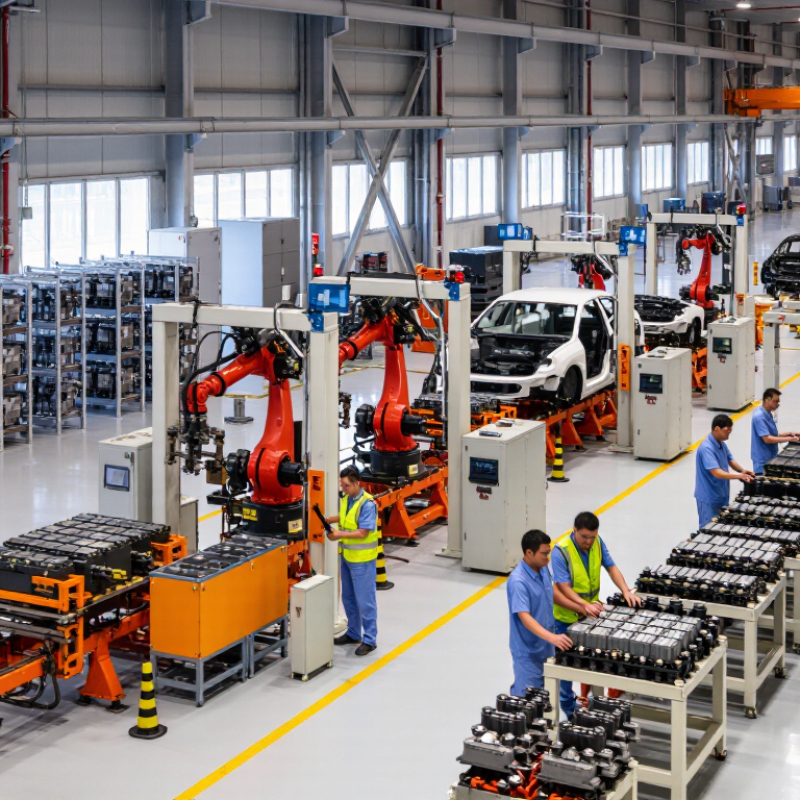
China auto center suppliers are manufacturers, exporters, and service partners serving vehicle repair and maintenance facilities. They may provide vehicle lifts, wheel alignment equipment, diagnostic tools, workshop furniture, filters, and maintenance consumables. Their role extends beyond selling products. They help overseas buyers select suitable specifications, prepare technical documents, arrange production, and coordinate shipment.
A reliable supplier usually supports quality control at several stages. Engineers may inspect steel thickness, electrical safety, load performance, and measurement accuracy before dispatch. Clear batch numbers and inspection records improve traceability. Practical experience matters here. A supplier should understand workshop space, local voltage, technician habits, and expected vehicle types. It should also provide installation guidance, spare parts, user manuals, and responsive after-sales communication.
Small details often reveal professional standards. Ask for product samples, factory inspection records, packaging photos, and test procedures. Confirm whether replacement components remain available after purchase. A low quotation can hide weak calibration or expensive maintenance later. No supplier is perfect. Even experienced teams may misunderstand a technical requirement or delivery schedule. Written specifications and pre-shipment checks reduce that risk. Buyers should compare performance, compliance documents, production capacity, and service reliability rather than price alone. An honest supplier will explain limitations instead of promising everything.
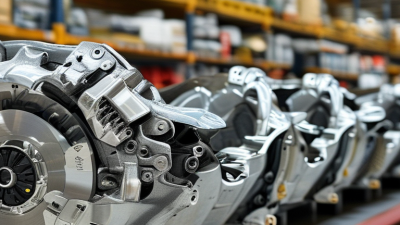
Global buyers usually work with several types of auto center suppliers, not one universal source. OEM suppliers provide factory-made components that match original vehicle specifications. They often support engineering reviews, batch traceability, and strict quality inspections. Buyers should request test reports, material certificates, and production samples before signing large contracts.
Aftermarket suppliers offer replacement parts for common repairs, including filters, brake components, lighting units, and suspension items. Their strength is broad product coverage and flexible order quantities. Wholesale distributors can combine products from different factories, reducing communication work for overseas buyers. However, mixed sourcing may create uneven packaging, labeling, or quality standards. Inspect carefully.
Specialized suppliers focus on commercial vehicles, electric systems, tires, workshop equipment, or fleet maintenance tools. They may provide technical drawings, installation guidance, and spare-part support. A reliable supplier explains shipping terms, warranty limits, product testing, and regional compliance requirements in clear language. Experience matters here.
A supplier with many catalog pages is not automatically dependable. Sometimes, a smaller factory responds faster and documents better, but may lack stable capacity during peak seasons. That weakness deserves honest discussion.
Global purchasing teams should compare production experience, inspection procedures, communication speed, and after-sales handling. Video factory audits can reveal storage conditions, labeling practices, and packing methods. Still, remote checks are imperfect. Independent pre-shipment inspection remains useful, especially for high-value or safety-related components.
China Top Auto Center Suppliers for Global Buyers?
Guangdong serves buyers needing electronics, lighting, sensors, and interior components. Factories there often support rapid prototyping and small engineering changes. Zhejiang is strong in braking parts, suspension hardware, filters, and metal assemblies. Its supplier network can offer flexible volumes and competitive tooling costs. Jiangsu provides precision-machined parts, rubber products, and systems requiring stable dimensional control. Many plants operate automated inspection lines and maintain documented process records. Shandong has broad capacity for tires, wheels, castings, and commercial vehicle components. Hubei and Chongqing remain important for powertrain, chassis, and heavy-duty applications. Regional specialization matters more than a supplier’s sales language.
Capability checks should begin with drawings, material grades, tolerance tables, and test requirements. Request production samples from the intended line, not only showroom pieces. Review incoming inspection records, calibration dates, corrective-action reports, and lot traceability. A serious supplier can explain where raw materials originate and how defects are contained. Factory audits should examine welding areas, clean assembly zones, storage conditions, and final packing. Independent testing may verify strength, fatigue resistance, electrical safety, or environmental performance. I have seen attractive samples fail because packaging ignored humidity and vibration. That mistake is common.
Price is only one comparison point. Lead time, tooling ownership, after-sales response, and change-control discipline deserve equal attention. Some suppliers promise too much during early discussions. Written specifications expose that weakness. Buyers should also confirm export documents, labeling rules, warranty terms, and destination-market compliance before placing volume orders. A smaller factory can outperform a larger one when supervision is consistent, but capacity risks remain during peak seasons. Planning visits, pilot orders, and staged approvals creates useful evidence before long-term cooperation.
Selecting an automotive center supplier in China requires more than comparing unit prices. Quality should be verified through process evidence, not attractive product photos. Request material certificates, dimensional reports, inspection plans, and traceability records for each batch. A reliable supplier can explain how it controls machining accuracy, surface finish, and final assembly. Ask to review sample parts under realistic operating conditions.
Compliance needs equal attention. Check current quality certifications, product test reports, chemical declarations, and export documentation. Confirm that the supplier understands the destination market’s safety and environmental requirements. An on-site audit can reveal practical details, such as calibrated gauges, labeled storage areas, and quarantine zones for rejected parts. Small signals matter. However, certificates alone are not enough. They may be valid yet poorly applied on the factory floor.
Production capacity should be measured with evidence. Review machine lists, staffing levels, shift schedules, maintenance records, and recent delivery performance. Ask for monthly output by product type, not one impressive total figure. Confirm whether critical processes are handled internally or outsourced. A backup plan for tooling, materials, and power interruptions also matters. Capacity claims can be optimistic. Request a pilot order and compare promised lead times with actual results. This step may feel slower, but it exposes weaknesses before larger commitments create expensive problems.
Regional motor vehicle production provides a practical starting point for evaluating supplier capacity, delivery resilience, and manufacturing depth. The figures below are rounded 2023 production volumes reported by the International Organization of Motor Vehicle Manufacturers (OICA).
Production volume should be reviewed together with quality systems such as ISO 9001 or IATF 16949, applicable market compliance documentation, audited capacity, lead times, and traceability controls. High regional output indicates manufacturing scale, but it does not independently prove an individual supplier’s quality or compliance.
Source: OICA 2023 Production Statistics. Values are rounded and shown in million vehicles.
Sourcing from China’s auto center suppliers requires more than comparing online prices. I start by defining the exact product, material, dimensions, annual volume, and destination market. A detailed specification reduces vague quotations and unexpected substitutions. Request samples before placing a production order. Check fit, surface finish, packaging strength, and labeling against your written requirements.
Pricing should include tooling, inspection, export packing, inland transport, and documentation. The lowest unit price can hide expensive rework. Ask suppliers for tiered pricing at different quantities, then compare the same delivery terms. I usually request quotations under FOB and DDP for reference, although each term shifts costs and responsibilities differently. My first comparison once ignored carton volume, which made the freight estimate unreliable. That mistake was avoidable.
Logistics planning begins before production finishes. Confirm carton sizes, gross weight, loading dates, port options, and tracking procedures. For smaller shipments, consolidated sea freight may reduce cost, but it can add handling time. Air freight is faster and usually far more expensive. Importers should verify product classification, duties, taxes, safety requirements, and required documents with a licensed customs professional. Certificates, commercial invoices, packing lists, and transport documents must match exactly. A pre-shipment inspection can identify quantity or packaging problems before cargo leaves China. Keep payment milestones tied to measurable production stages, not promises alone. Loose communication causes costly delays.
© 2025 Grandmark International. All rights reserved.
© 2020 Grandmark. Grandmark International. All rights reserved. Proud shareholder of Temot International.